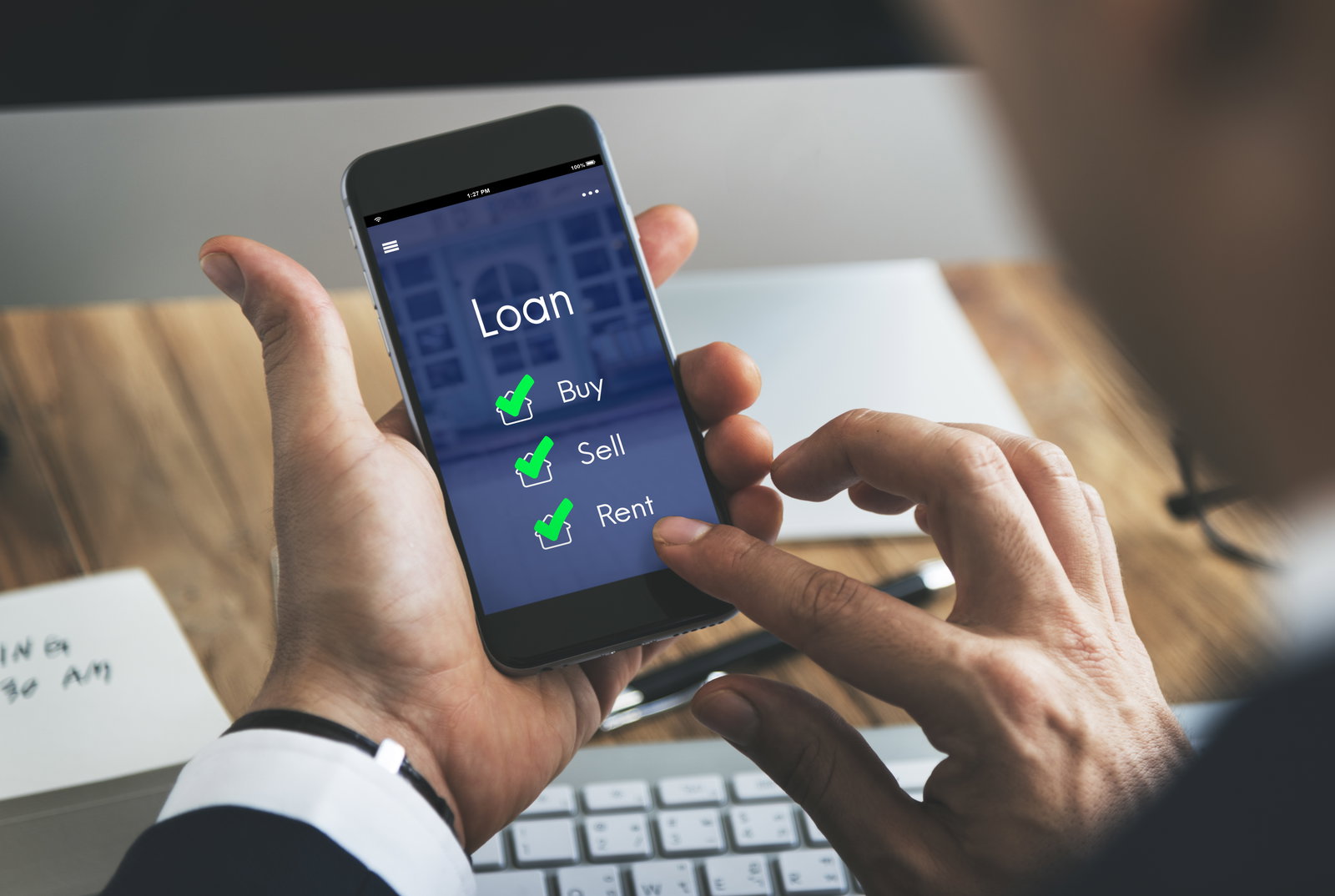
The financial services landscape has undergone a dramatic transformation over the past decade, with digital lending platforms emerging as a powerful alternative to traditional banking institutions. These online-based systems leverage technology to streamline the borrowing process, offering everything from personal loans and business financing to payday alternatives and peer-to-peer lending arrangements. By eliminating physical branches and automating much of the underwriting process, digital lenders promise faster approvals, greater accessibility, and often more competitive rates than conventional banks. However, the convenience and speed of online loans come with their own set of considerations that borrowers must understand before committing to any digital lending arrangement.
The Technological Framework Behind Digital Lending
Digital lending platforms operate through sophisticated algorithms and automated systems that evaluate borrower creditworthiness using both traditional and alternative data sources. Unlike conventional banks that rely heavily on manual review processes, these platforms analyze information ranging from credit scores and employment history to bank account activity, utility payment patterns, and even educational background. This technology-driven approach allows lenders to make decisions in minutes rather than days, with some platforms approving and disbursing funds within 24 hours of application submission.
The infrastructure supporting these platforms typically includes secure application portals, automated identity verification systems, and electronic signature capabilities that eliminate the need for in-person meetings or physical documentation. Many digital lenders use machine learning models that continuously refine their risk assessment methodologies based on repayment data and market conditions. This technological sophistication enables lenders to serve borrowers who might be overlooked by traditional institutions while maintaining appropriate risk management standards through data-driven decision making.
Primary Advantages of Online Lending Arrangements
Digital lending platforms offer several compelling benefits that have contributed to their rapid growth and widespread adoption:
-
Speed and convenience: Applications can be completed entirely online in 15-30 minutes, with approval decisions often rendered within hours
-
Accessibility: Available 24/7 without geographic restrictions, serving borrowers in areas with limited banking infrastructure
-
Transparent pricing: Many platforms display rates and terms upfront, allowing for easy comparison shopping
-
Flexible qualification criteria: Alternative data analysis may help borrowers with limited credit history or unconventional income sources
-
Streamlined documentation: Digital verification reduces paperwork requirements and simplifies the submission process
Beyond these operational advantages, digital platforms frequently offer customization options that traditional lenders cannot match efficiently. Borrowers may be able to select specific loan amounts, choose repayment schedules that align with their cash flow patterns, and adjust terms through user-friendly interfaces. The competitive nature of the online lending marketplace also incentivizes platforms to offer promotional rates or fee waivers to attract new customers, potentially resulting in cost savings for informed borrowers who compare multiple options before selecting a lender.
Critical Risks and Limitations to Consider
Despite their advantages, digital lending platforms present distinct risks that require careful evaluation:
-
Higher interest rates: Some online lenders charge significantly higher rates than traditional banks, particularly for borrowers with lower credit scores
-
Security concerns: Sharing sensitive financial information online creates potential exposure to data breaches or identity theft
-
Predatory lending practices: Certain platforms may employ aggressive collection tactics or impose excessive fees on vulnerable borrowers
-
Limited regulatory oversight: Not all digital lenders operate under the same regulatory framework as traditional banks
-
Hidden fees: Origination charges, prepayment penalties, and late payment fees can substantially increase borrowing costs
The absence of face-to-face interaction can also disadvantage borrowers who prefer personalized guidance or have complex financial situations requiring detailed explanation. Some digital platforms lack the customer service infrastructure to address disputes effectively or provide support when technical issues arise during the application process. Additionally, the algorithmic nature of approval decisions means that borrowers may receive denials without clear explanations or opportunities to present contextual information that might influence the outcome favorably.
Understanding Cost Structures and Qualification Standards
Digital lending platforms employ varied pricing models that borrowers must understand before committing to any loan agreement. Annual percentage rates typically range from 6% to 36% for personal loans, though rates depend heavily on credit scores, income stability, loan amounts, and repayment terms. Many platforms charge origination fees between 1% and 8% of the loan amount, effectively reducing the funds actually received while increasing the total repayment obligation. Some lenders also impose monthly maintenance fees, late payment penalties exceeding $30, or charges for payment method changes that can accumulate unexpectedly over the loan term.
Eligibility requirements vary considerably across platforms, but most digital lenders establish minimum thresholds for credit scores (typically 580-660), verifiable income sources, and debt-to-income ratios below 40-45%. Many platforms require applicants to be at least 18 years old, maintain an active checking account, and provide proof of U.S. citizenship or permanent residency. Alternative lenders may accept applicants with limited credit history by requiring co-signers, evaluating employment tenure, or analyzing bank account transaction patterns to assess financial stability and repayment capacity.
Common Borrower Errors and Avoidance Strategies
Many borrowers make preventable mistakes when engaging with digital lending platforms that can lead to financial hardship or unfavorable terms. A frequent error involves accepting the first loan offer without comparing rates and terms across multiple platforms, potentially resulting in thousands of dollars in unnecessary interest payments. Borrowers often fail to read the complete loan agreement, overlooking important clauses regarding prepayment penalties, variable interest rates, or automatic renewals that can trap them in expensive debt cycles.
Another critical mistake involves borrowing more than necessary simply because a platform approves a higher amount, which increases both monthly payment obligations and total interest costs over the loan term. Many borrowers also underestimate their repayment capacity by failing to account for potential income disruptions or unexpected expenses, leading to late payments that damage credit scores and trigger penalty fees. To avoid these pitfalls, prospective borrowers should create detailed budgets projecting their ability to manage payments under various scenarios, obtain quotes from at least three different lenders, and carefully review all documentation before finalizing any loan agreement.
Situational Guidance for Prospective Borrowers
Digital lending platforms are most appropriate for borrowers who need relatively quick access to funds for specific purposes such as debt consolidation, home improvements, or emergency expenses, and who possess the credit profile to qualify for competitive rates. These platforms work particularly well for financially literate individuals comfortable navigating technology, comparing offers independently, and managing loan accounts through digital interfaces without requiring personalized assistance. Borrowers with strong credit histories can often secure rates comparable to or better than traditional banks while enjoying faster processing and greater flexibility.
Conversely, digital lending may be unsuitable for individuals with poor credit who might face predatory rates exceeding 30% annually, those uncomfortable sharing sensitive information electronically, or borrowers preferring face-to-face guidance through complex financial decisions. People experiencing severe financial distress should generally avoid high-interest online loans that may exacerbate their situations, instead exploring nonprofit credit counseling, payment plans with creditors, or assistance programs. Additionally, borrowers uncertain about their ability to make consistent payments should address underlying budget issues before taking on new debt obligations regardless of the lending channel.
Conclusion
Digital lending platforms represent a significant evolution in consumer finance, offering unprecedented convenience and accessibility while simultaneously introducing new risks that require informed navigation. The technology-driven nature of these services enables faster decisions and broader eligibility criteria, but borrowers must approach online loans with the same careful analysis they would apply to any significant financial commitment. By thoroughly comparing options, understanding complete cost structures, honestly assessing repayment capacity, and recognizing both the advantages and limitations of digital lending, consumers can make strategic borrowing decisions that align with their financial circumstances and long-term goals.